It's all about control
Domestic abuse covers a range of behaviours but it starts with threats and intimidation. Abuse is always about your abuser attempting to gain power and control over you. They are using intentional tactics to make you feel increasingly powerless and afraid.
It's not just physical violence that counts
Domestic abuse can take many forms including emotional, financial, digital and sexual abuse. Many women who get in touch with our service worry that because the abuse they are experiencing isn't physical, that they can't use our service. But that is not the case. We are here to support you, and no one deserves to be abused, whatever form it takes.
Emotional or Psychological Abuse
If your partner is trying to humiliate, isolate and scare you, you may be experiencing emotional abuse. It is a pattern of behaviour designed to control you by undermining your self-esteem. They make you believe you deserve it, that you’re stupid and worthless, provoking them, you’re ‘a bad mother’ or going crazy.

Sexual Abuse
If you are being forced to do things sexually you are uncomfortable with, or made have sex without your consent, if you are feeling disrespected and violated you may be being sexually abused. An abuser may use sexual coercion to keep you feeling humiliated, powerless and blackmailed into staying with them.

Digital Abuse
Every kind of abuse that can happen offline can happen online. Also known as online abuse, or technology facilitated abuse (TFA), an abuser may be using digital media to harass, control and manipulate you. This can have far-reaching, long-lasting consequences.
Social Abuse
If your partner is making it hard for you to connect with family and friends, you may be experiencing social abuse. Your abuser may make it difficult or impossible for you to go out or have people home, or make such a fuss when you do that it becomes no longer worth it.
Financial abuse
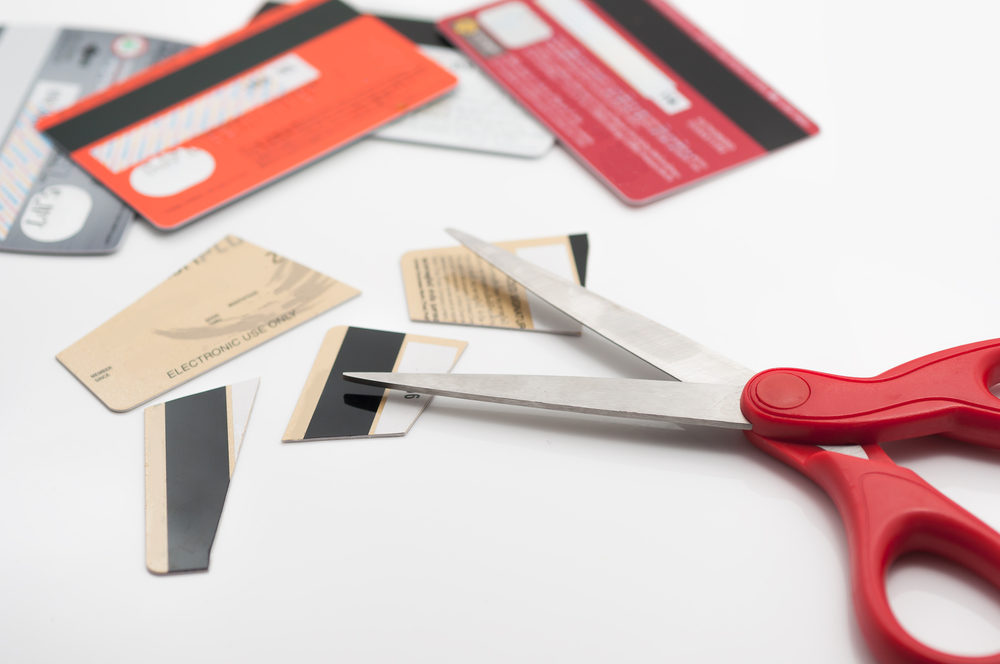
If you partner makes you rely on them for everything financially, makes all the monetary decisions for your household without consulting you and makes you justify every penny you spend, you may be being subjected to financial abuse. Restricting your access to money is a way to control you and limit your independence.

Physical Abuse
If you are being physically harmed within your relationship, your partner may be physically abusing you. This can take many forms; like locking you out of the house or denying you access to medication. It’s not just a black eye that counts…

Red flags of abusive relationships
Being able to tell the difference between healthy, unhealthy and abusive relationships can be difficult. No two relationships are the same, so what’s unhealthy in one relationship may be abusive in another. Although there may be many signs, here are the most common red flags indicating that a partner or family member is being abusive.

What to do if you are being abused
If you are in an abusive relationship, ending the abusive behaviour is the responsibility of your abuser, and theirs alone. But, there are a series of actions you can take to help keep yourself safe whether or not you are planning to stay in the relationship.